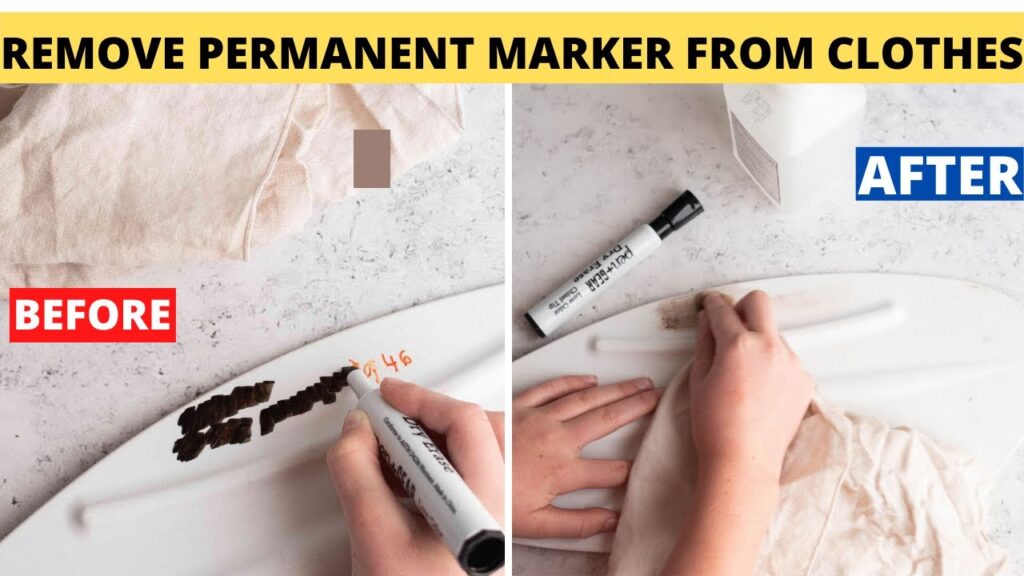

The dreaded moment: you reach for a pen, perhaps to jot down a quick note or label something, and suddenly, a rogue stroke lands not on paper, but directly on your favorite shirt, a cherished tablecloth, or even a brand-new pair of jeans. Marker pen stains on clothing are a universal frustration, often leading to immediate despair and the assumption that the garment is ruined beyond repair. Whether it’s the vibrant, bold lines of a permanent marker, the playful streaks of a washable one from a child’s art project, or the surprising smudge from a dry-erase marker, these marks seem to cling with tenacious determination, defying a simple wash cycle.
In our fast-paced lives, where convenience often trumps carefulness, accidental spills and stains are inevitable. Marker pens, ubiquitous in homes, schools, and offices, are prime culprits for such mishaps. The sheer variety of markers available today, from oil-based to alcohol-based, water-soluble to indelible, means that a one-size-fits-all solution is rarely effective. Adding to the complexity is the vast array of fabric types – from delicate silks and wools to robust cottons and versatile synthetics – each reacting differently to various cleaning agents and methods. This intricate dance between ink chemistry and fabric composition makes the task of stain removal seem daunting, often leading people to prematurely discard otherwise perfectly good clothing.
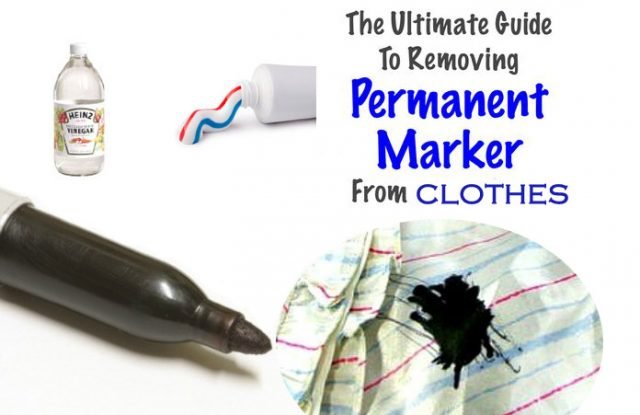
The financial and environmental implications of giving up on stained garments are significant. Replacing clothing can be costly, and contributing to textile waste adds to our collective ecological footprint. Moreover, the emotional attachment we have to certain items of clothing makes their potential loss even more disheartening. This comprehensive guide aims to demystify the process of removing marker pen stains, transforming a moment of panic into an opportunity for successful restoration. We will delve into the science behind these stubborn marks, explore a range of effective household remedies and commercial solutions, and provide actionable, step-by-step advice to help you reclaim your wardrobe. Prepare to unlock the secrets to vanquishing marker stains and saving your cherished clothes from an untimely end.
The Science of Stains: Understanding Marker Types and Fabric Interactions
Before you even think about applying a single drop of cleaner to your stained garment, understanding what you’re up against is paramount. Not all marker pens are created equal, and their chemical compositions dictate the most effective removal strategies. Similarly, the fabric type plays a crucial role in how the ink interacts and how it should be treated. A misstep at this initial stage can set the stain, making it even more challenging to remove later. This section will break down the fundamental characteristics of common marker types and provide insights into how different fabrics respond to these inks and the solvents used to remove them, laying a solid foundation for successful stain remediation.
Different Strokes: Identifying Your Marker Pen
The first step in any stain removal process is identifying the culprit. While it might seem obvious, knowing the specific type of marker pen can significantly influence your approach and success rate. Each category of marker has a distinct ink formulation, designed for specific purposes, which in turn affects how deeply it penetrates fabric fibers and how it reacts to various cleaning agents.
Permanent Markers: The Stubborn Stain
Permanent markers, such as those from brands like Sharpie, are notorious for their resilience. Their ink is typically alcohol-based or oil-based, containing a blend of highly pigmented dyes, resins, and a solvent (often alcohol or xylene). The solvent allows the ink to flow and adhere, evaporating quickly to leave behind the durable dyes and resins. When these markers come into contact with fabric, the solvent carries the pigment deep into the fibers, and as it evaporates, the dyes bond tenaciously. This bonding is what makes them “permanent” on many surfaces, and consequently, a challenge on clothing. The key to removing these often lies in using a solvent that can re-liquefy or break down these resins and dyes without damaging the fabric itself. Common household items like rubbing alcohol, hand sanitizer, or even hairspray often contain the necessary alcohol content to tackle these stains.
Washable Markers: The Easier Fix
On the opposite end of the spectrum are washable markers, commonly used by children. These inks are primarily water-based, containing dyes that are designed to be easily dissolved and rinsed away with water. They are formulated with less aggressive binders and pigments that do not bond permanently to surfaces. While they can still create a visible stain on fabric, their water-soluble nature makes them significantly easier to remove with just soap and water, or a mild detergent. For these stains, quick action with a simple laundry pre-treatment or a soak in warm, soapy water is usually sufficient. Understanding this distinction can save you a lot of effort and prevent you from using harsh chemicals unnecessarily.
Dry-Erase Markers: A Unique Challenge
Dry-erase markers are also alcohol-based, similar to permanent markers, but they are designed to be easily wiped off non-porous surfaces like whiteboards. Their ink contains a release agent (often a silicone polymer) that prevents the dyes from bonding permanently. However, when these markers get on porous fabrics, the alcohol carries the dyes into the fibers, and the release agent doesn’t function as intended. This can make them surprisingly tricky. While alcohol-based solvents are still the primary line of attack, the presence of the release agent can sometimes make them behave differently than a standard permanent marker. They might require a slightly more persistent application of alcohol or a combination with dish soap to fully emulsify and lift the stain.
Fabric First: What You Need to Know About Your Garment
The type of fabric your garment is made from is as important as the type of marker pen. Different fibers react uniquely to inks and cleaning solvents, influencing absorbency, colorfastness, and overall durability during the stain removal process. Ignoring fabric composition can lead to disastrous results, such as setting the stain, damaging the fabric, or removing its color. (See: Find Your Clothing Style)
Natural Fibers vs. Synthetics
Natural fibers like cotton, linen, wool, and silk are generally more absorbent than synthetics. Cotton and linen, being cellulose-based, readily absorb water and water-based inks, but they can also be quite robust and tolerate a range of solvents. However, they can sometimes bleed colors if not colorfast. Wool and silk, being protein fibers, are more delicate. They can shrink, felt, or be damaged by harsh chemicals, high temperatures, or strong acids/alkalines. For these, gentler, pH-neutral solutions are often preferred, and aggressive rubbing should be avoided.
Synthetic fibers such as polyester, nylon, rayon, and acetate behave differently. Polyester and nylon are less absorbent and generally more resistant to shrinking and wrinkling. However, certain solvents, particularly acetone (found in some nail polish removers), can dissolve or severely damage fibers like acetate, triacetate, and rayon. It is crucial to always check the fabric care label and perform a patch test in an inconspicuous area before applying any solvent to a synthetic garment. The chemical structure of synthetics means that dyes can sometimes bond differently, requiring specific solvent types for effective removal.
Colorfastness and Delicates
Before applying any stain remover, always, always perform a patch test on an inconspicuous area of the garment (e.g., an inner seam, hem, or cuff). This is critical to ensure that the cleaning agent will not cause discoloration, fading, or damage to the fabric. Apply a small amount of the chosen solvent to a hidden spot, let it sit for a few minutes, then blot with a clean white cloth. If any color transfers to the cloth or the fabric shows signs of damage, do not use that particular cleaner on the stain. For highly delicate items like silk blouses, wool sweaters, or garments with intricate embellishments, it is often safer to consult a professional cleaner rather than attempting DIY removal, especially if the stain is extensive or deeply set. Their expertise and specialized equipment can often save items that seem beyond hope. Understanding these foundational principles of marker and fabric interaction is the first step toward successful stain eradication, transforming a challenging task into a manageable one.
First Aid for Fabric: General Principles and Go-To Household Remedies
Once you’ve identified the marker type and assessed your fabric, it’s time to put a plan into action. The success of stain removal often hinges on a combination of immediate, correct action and the judicious use of appropriate cleaning agents. This section will outline the universal “golden rules” of stain removal that apply to virtually all types of marker pens, followed by a detailed exploration of common household items that can act as surprisingly effective stain-fighting heroes. Many times, you won’t need to rush to the store for specialized products; the solution might already be in your pantry or medicine cabinet. We will provide practical advice on how to use these everyday items safely and effectively, transforming a daunting task into a manageable one.
Immediate Action is Key: The Golden Rules of Stain Removal
When it comes to marker stains, time is of the essence. The longer a stain sits, the more it dries and bonds with the fabric fibers, making it exponentially harder to remove. Adhering to a few core principles can significantly improve your chances of success:
- Don’t Rub, Blot: Your instinct might be to vigorously rub the stain, but this is counterproductive. Rubbing spreads the ink further into the fabric and can damage the fibers. Instead, gently blot the stain with a clean cloth or paper towel. This absorbs the ink and lifts it away from the fabric.
- Act Fast: As mentioned, address the stain as soon as you notice it. Fresh stains are always easier to remove than old, dried-on ones.
- Test in an Inconspicuous Area: Before applying any solvent to the main stain, always test it on a hidden part of the garment (e.g., an inside seam, hem, or collar). This confirms that the solvent won’t damage the fabric or cause color fading.
- Work from Outside In: When treating the stain, apply the solvent and blot from the outer edges of the stain towards the center. This prevents the stain from spreading and creating a larger ring.
- Don’t Apply Heat: Never put a stained garment into a dryer or apply heat (like ironing) before the stain is completely removed. Heat can permanently set the ink, making it virtually impossible to get out.
- Use a Barrier: Always place a clean, absorbent material (like paper towels or an old towel) underneath the stained area. This absorbs the lifted ink and prevents it from transferring to other parts of the garment or your work surface. Change the barrier frequently as it becomes saturated with ink.
The Solvent Arsenal: Common Household Heroes
You might be surprised by the effectiveness of common household products in tackling marker stains. These items often contain solvents that can break down the dyes and resins found in marker inks.
Rubbing Alcohol (Isopropyl Alcohol)
This is arguably the most effective and widely available remedy for permanent marker stains. Isopropyl alcohol acts as a powerful solvent, dissolving the dyes and resins in the ink. It’s generally safe for most fabrics, but always test first. To use, saturate a clean cloth or cotton ball with rubbing alcohol, place the stained area over a clean paper towel, and blot the stain, changing the paper towel frequently. Continue until no more ink transfers. Ensure good ventilation when using alcohol. (See: Comfrt Clothing Legit)
Hand Sanitizer
Most hand sanitizers contain a high percentage of alcohol (ethanol or isopropyl alcohol), making them a convenient alternative to rubbing alcohol, especially when on the go. Apply a generous amount directly to the stain, allow it to penetrate for a few minutes, then blot with a clean cloth, working from the outside in. Follow the same precautions as with rubbing alcohol.
Hair Spray
Aerosol hairspray often contains alcohol as a primary ingredient, which can help dissolve marker ink. Spray a good amount directly onto the stain, let it sit for a few minutes, and then blot. This method is often less potent than pure rubbing alcohol but can be effective for lighter stains or as a first attempt. Ensure the hairspray you use is alcohol-based and not an oil-based conditioning spray.
White Vinegar
While less effective for permanent markers, white vinegar is a mild acid that can be useful for washable marker stains and can sometimes help with lighter permanent marks, particularly on natural fibers. Mix equal parts white vinegar and water, apply to the stain, let it soak, then blot. It can also be used as a pre-treatment soak for washable markers. Vinegar is a gentle option for those concerned about harsher chemicals.
Dish Soap and Water
For washable marker stains, a simple solution of dish soap and warm water can often do the trick. Apply a small amount of liquid dish soap directly to the stain, gently rub it in with your fingers or a soft brush, and then rinse thoroughly. This can also be used as a pre-treatment for more stubborn washable marks before machine washing. Its emulsifying properties help lift the water-based dyes.
A Note on Acetone (Nail Polish Remover)
Acetone is a very strong solvent and can be highly effective on certain types of permanent marker inks. However, it comes with a significant caveat: acetone can dissolve or severely damage synthetic fabrics like acetate, triacetate, and rayon. Always check the fabric content label before considering acetone. If your fabric is safe, apply sparingly with a cotton swab and blot immediately. Use with extreme caution and in a well-ventilated area. (See: Get Gum Out Clothing)
Step-by-Step Application Guide for Marker Stains
Regardless of the solvent you choose, the application process follows a similar pattern for optimal results:
- Prepare the Area: Place several layers of clean paper towels or an old, clean white cloth directly underneath the stained area of the garment. This acts as a barrier to absorb the ink as it’s lifted, preventing it from bleeding onto other parts of the fabric or your work surface.
- Apply the Solvent: Dampen a clean white cloth, cotton ball, or paper towel with your chosen solvent (e.g., rubbing alcohol, hand sanitizer). Do not pour the solvent directly onto the stain, as this can spread it.
- Blot, Don’t Rub: Gently blot the stain with the moistened cloth, working from the outer edges of the stain inward. This technique helps to prevent the stain from spreading. As the cloth picks up ink, shift to a clean section of the cloth or use a fresh cotton ball.
- Change the Barrier: As the paper towels underneath become saturated with ink, replace them with fresh ones. This is crucial to prevent the lifted ink from re-depositing onto the fabric.
- Rinse Thoroughly: Once the stain is visibly gone or significantly faded, rinse the treated area thoroughly with cool water to remove any residual solvent and loosened ink.
- Launder as Usual: After rinsing, wash the garment according to its care label instructions, using your regular laundry detergent.
- Check Before Drying: Before putting the garment in the dryer, inspect the stained area carefully. If any trace of the stain remains, repeat the treatment process. Do not dry the garment until the stain is completely gone, as heat will set any remaining ink permanently.
Here’s a quick reference table for common household remedies:
| Solvent | Best For | Precautions/Notes |
|---|---|---|
| Rubbing Alcohol | Permanent markers, Dry-erase markers | Test on inconspicuous area; good ventilation; can be harsh on some dyes/delicates. |
| Hand Sanitizer | Permanent markers (lighter stains), Dry-erase markers | Convenient, but check alcohol content; less potent than pure alcohol. |
| Hair Spray | Lighter permanent marker stains |