

Jewelry, a symbol of beauty, sentiment, and often significant financial value, holds a special place in our lives. Whether it’s a cherished family heirloom, a sentimental gift, or a piece acquired for personal enjoyment, jewelry requires regular care and maintenance to retain its sparkle and allure. One of the most common challenges faced by jewelry owners is tarnish, a natural chemical reaction that occurs when metals like silver, gold, and copper react with sulfur or oxygen in the air, causing a dull, discolored surface. This tarnishing process can significantly diminish the aesthetic appeal of your precious pieces, making them appear less vibrant and potentially damaging the underlying metal over time if left unattended.
The prevalence of tarnish is a widespread issue, affecting jewelry across all price points and materials. From the inexpensive fashion jewelry to the most expensive pieces, tarnish is an inevitable consequence of environmental exposure. The rate at which tarnish develops can vary depending on factors such as the metal composition, the environment it is stored in, and the frequency of wear. Understanding the root causes of tarnish and implementing effective cleaning methods is crucial for preserving the longevity and beauty of your jewelry collection.
The information available on jewelry cleaning techniques is vast and sometimes conflicting. The market is flooded with various commercial cleaning products, each claiming to be the best solution. However, not all products are created equal, and some can even damage your jewelry if used incorrectly. This article aims to provide a comprehensive guide to cleaning tarnished jewelry, covering the underlying science of tarnish, the various cleaning methods available, and practical advice on how to choose the right approach for your specific pieces. We will explore both DIY solutions and commercial products, comparing their effectiveness, safety, and suitability for different types of jewelry.
This guide is essential for anyone who owns jewelry, regardless of their experience or knowledge. We will equip you with the information and confidence to confidently tackle tarnish, restoring your jewelry to its former glory and preventing future damage. By understanding the principles of jewelry care and adopting the right cleaning practices, you can extend the life of your jewelry, maintain its brilliance, and continue to enjoy its beauty for years to come. This comprehensive guide is designed to be a valuable resource, offering practical advice, expert insights, and actionable steps to help you navigate the world of jewelry cleaning.
Understanding Tarnish and Its Causes
Before diving into the methods of cleaning tarnished jewelry, it is essential to understand the science behind tarnish and the factors that contribute to its formation. Tarnish is not simply dirt or grime; it is a chemical reaction that alters the surface of the metal. This understanding is crucial for selecting the appropriate cleaning techniques and preventing future tarnishing.
The Chemical Process Behind Tarnish
The primary cause of tarnish is the reaction between the metal and sulfur or oxygen present in the air. The specific process varies depending on the metal:
Silver: Silver tarnishes due to a reaction with hydrogen sulfide (H2S), a gas commonly found in the air, often released by the burning of fossil fuels, in exhaust fumes, and even in certain foods like eggs. This reaction forms silver sulfide (Ag2S), which appears as a dark, dull coating on the silver surface. The more exposed the silver is to air and sulfur, the faster the tarnish develops.
Gold: Pure gold is relatively resistant to tarnish because it is a noble metal and does not readily react with other elements. However, gold jewelry is often alloyed with other metals, such as copper, silver, or zinc, to increase its durability and alter its color. These alloying metals are more susceptible to tarnishing. For example, the copper in rose gold can tarnish, resulting in a color change.
Copper: Copper tarnishes very quickly due to its high reactivity. It reacts with oxygen to form copper oxide (CuO), which appears as a reddish-brown coating. It can also react with sulfur to form copper sulfide, which appears as a dark coating similar to silver tarnish.
The speed of the tarnishing process is also affected by the environment in which the jewelry is stored.
Environmental Factors That Accelerate Tarnish
Several environmental factors can accelerate the tarnishing process. Understanding these factors can help you take preventative measures to minimize tarnish formation.
- Humidity: High humidity levels provide more moisture in the air, which can speed up the chemical reactions that cause tarnish.
- Air Pollution: Pollutants like sulfur dioxide (SO2) and hydrogen sulfide (H2S) are common in polluted environments and greatly accelerate tarnishing.
- Exposure to Chemicals: Contact with certain chemicals, such as those found in perfumes, lotions, hairspray, and cleaning products, can also contribute to tarnish. These products may contain sulfur-containing compounds or other substances that react with the metal.
- Storage Conditions: Improper storage can significantly impact how quickly tarnish forms. Jewelry stored in the open air or in environments with fluctuating temperatures and humidity levels is more likely to tarnish.
- Body Chemistry: Surprisingly, even your own body chemistry can contribute to tarnish. Sweat can contain sulfur compounds that can react with jewelry, especially silver.
Consider this example: a silver necklace worn frequently in a humid climate and exposed to hairspray will tarnish much faster than a gold necklace stored in a sealed container in a dry environment.
Distinguishing Tarnish from Other Forms of Damage
It is important to differentiate tarnish from other forms of damage that may affect your jewelry.
- Corrosion: Corrosion is a more severe form of damage that can occur when metals react with substances like acids or salts. It often results in pitting, etching, or weakening of the metal. Unlike tarnish, corrosion can permanently damage the jewelry.
- Oxidation: While technically, tarnish is a form of oxidation, the term is often used to describe the formation of a surface layer of oxides on metals like copper. This can be a different color and appearance than the dark coating associated with silver tarnish.
- Dirt and Grime: Dirt, dust, and oils can accumulate on jewelry, making it appear dull. This is different from tarnish, which is a chemical reaction on the metal surface. Cleaning for dirt and grime usually involves a simple wash with soap and water.
By understanding the underlying causes of tarnish and distinguishing it from other types of damage, you can choose the most appropriate cleaning methods and prevent further damage to your jewelry. Knowing the difference ensures you don’t accidentally use harsh cleaners when a gentle cleaning will do.
Cleaning Methods for Tarnished Jewelry
Once you have identified tarnish on your jewelry, the next step is to choose a cleaning method. Several options are available, ranging from simple DIY solutions to more specialized commercial products. The best approach depends on the type of metal, the severity of the tarnish, and your personal preferences.
DIY Cleaning Methods
DIY cleaning methods are often cost-effective and readily available. However, it is important to use them with caution and test them on a small, inconspicuous area of the jewelry first to ensure they do not cause any damage.
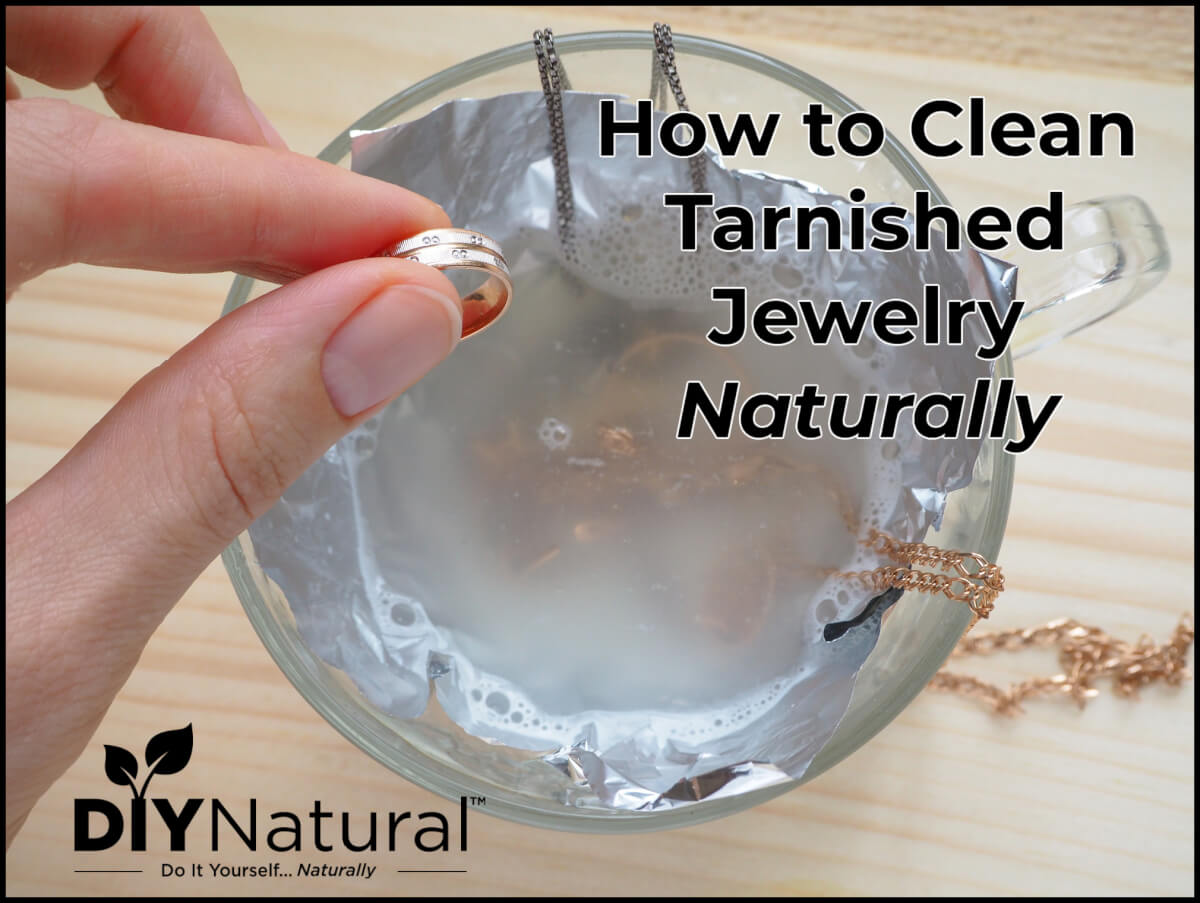
Baking Soda and Aluminum Foil
This method is particularly effective for cleaning silver jewelry. The process uses a chemical reaction to remove the tarnish.
- Line a glass bowl with aluminum foil, shiny side up.
- Place the tarnished silver jewelry in the bowl.
- Add one tablespoon of baking soda and one tablespoon of salt to the bowl.
- Pour in one cup of hot water. The water should be hot but not boiling.
- The baking soda, salt, and aluminum foil react with the silver sulfide (tarnish), transferring the tarnish from the silver to the aluminum foil.
- Let the jewelry soak for a few minutes, or until the tarnish disappears.
- Rinse the jewelry thoroughly with water and dry it with a soft cloth.
Caution: This method is not suitable for jewelry with gemstones, as the hot water and chemical reaction could damage them.
Vinegar and Baking Soda Paste
This method is a good option for cleaning gold and other metals. It can also be used on silver, but less effectively than the baking soda and aluminum foil method.
- Mix baking soda with white vinegar to form a paste.
- Apply the paste to the tarnished jewelry.
- Gently rub the paste onto the surface of the jewelry with a soft cloth or toothbrush.
- Rinse the jewelry thoroughly with water.
- Dry it with a soft cloth.
This method is generally safe for most metals but should be avoided for jewelry with delicate gemstones.
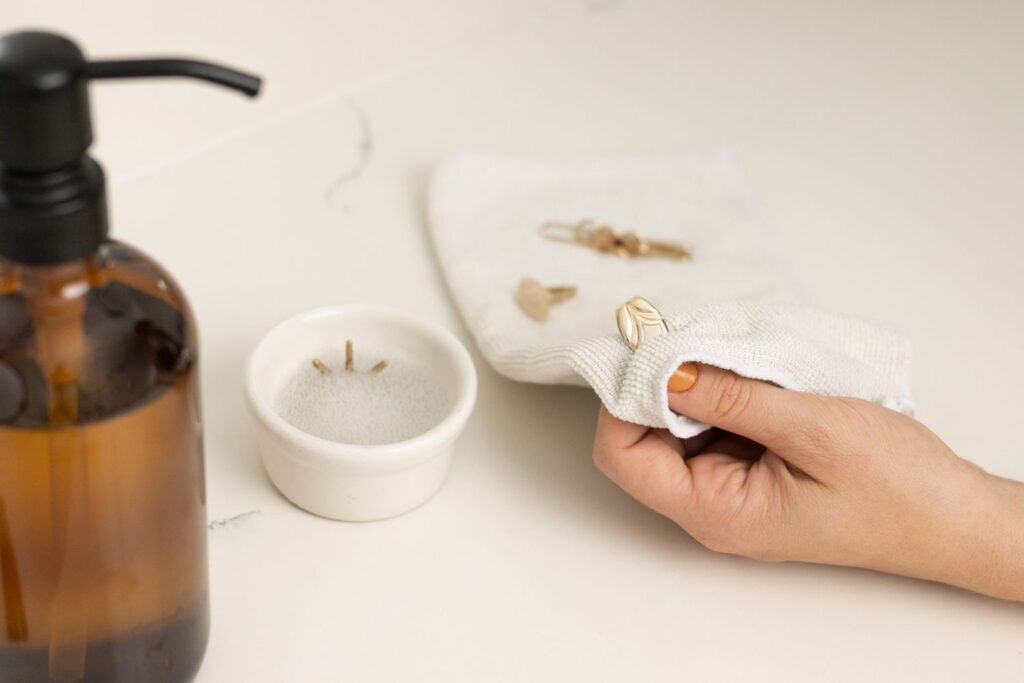
Mild Soap and Water
For lightly tarnished jewelry or jewelry with dirt and grime, a simple wash with mild soap and water can be effective.
- Mix a few drops of mild dish soap with warm water.
- Soak the jewelry in the soapy water for a few minutes.
- Gently scrub the jewelry with a soft cloth or toothbrush.
- Rinse the jewelry thoroughly with water.
- Dry it with a soft cloth.
This method is safe for most types of jewelry but may not be effective for removing heavy tarnish.
Commercial Jewelry Cleaners
Commercial jewelry cleaners are specifically formulated to remove tarnish and restore the shine of your jewelry. They come in various forms, including liquid solutions, cleaning cloths, and ultrasonic cleaners.
Liquid Jewelry Cleaners
Liquid jewelry cleaners are often the easiest to use.
- Follow the instructions on the product label. Typically, this involves soaking the jewelry in the solution for a specified amount of time.
- Rinse the jewelry thoroughly with water after soaking.
- Dry it with a soft cloth.
Always read the label carefully and ensure the cleaner is safe for your type of jewelry. Some cleaners may contain harsh chemicals that can damage certain gemstones or metals.
Jewelry Cleaning Cloths
Jewelry cleaning cloths are impregnated with cleaning agents that remove tarnish and polish the metal.
- Gently rub the jewelry with the cloth, following the grain of the metal.
- Use a separate section of the cloth to polish the jewelry.
These cloths are easy to use and convenient for quick touch-ups. However, they may not be effective for heavily tarnished jewelry.
Ultrasonic Cleaners
Ultrasonic cleaners use high-frequency sound waves to create tiny bubbles that dislodge dirt and tarnish from the jewelry.
- Fill the cleaner with water and a cleaning solution specifically designed for ultrasonic cleaners.
- Place the jewelry in the basket or holder provided.
- Turn on the cleaner and let it run for the recommended time.
- Rinse the jewelry thoroughly with water.
- Dry it with a soft cloth.
Ultrasonic cleaners are very effective for removing tarnish from jewelry with intricate designs and hard-to-reach areas. However, they are not suitable for jewelry with soft gemstones, such as opals or pearls, as the vibrations can damage them.
Choosing the Right Cleaning Method
The best cleaning method for your jewelry depends on several factors:
- Type of Metal: Silver reacts differently than gold.
- Severity of Tarnish: Light tarnish may be removed with mild soap and water, while heavy tarnish may require a more aggressive approach.
- Presence of Gemstones: Some cleaning methods can damage gemstones.
- Personal Preference: Some people prefer DIY methods, while others prefer the convenience of commercial products.
Always start with the gentlest method and work your way up if necessary. It is always better to be safe than sorry.
Here’s a quick reference table:
| Metal | Light Tarnish | Heavy Tarnish | Gemstone Considerations |
|---|---|---|---|
| Silver | Mild Soap and Water, Jewelry Cleaning Cloth | Baking Soda and Aluminum Foil, Commercial Silver Cleaner | Avoid harsh chemicals or ultrasonic cleaners with delicate gemstones. |
| Gold | Mild Soap and Water, Jewelry Cleaning Cloth | Vinegar and Baking Soda Paste, Commercial Jewelry Cleaner | Avoid harsh chemicals with gemstones, consider professional cleaning for valuable pieces. |
| Copper | Mild Soap and Water, Jewelry Cleaning Cloth | Vinegar and Salt Paste, Commercial Copper Cleaner | Test cleaning methods on a small area due to the reactivity of copper. |
Preventative Measures to Minimize Tarnish
While cleaning your jewelry is important, preventing tarnish in the first place is even better. By taking preventative measures, you can significantly reduce the frequency with which you need to clean your jewelry and extend its lifespan.
Proper Storage Techniques
Proper storage is crucial for protecting your jewelry from tarnish.
- Store Jewelry in Airtight Containers: This prevents exposure to air and humidity.
- Use Anti-Tarnish Strips or Cloths: These absorb sulfur and other gases that cause tarnish.
- Separate Pieces: Store each piece of jewelry separately to prevent scratching and tangling.
- Avoid Direct Sunlight: Prolonged exposure to sunlight can fade some gemstones.
- Consider a Jewelry Box: Choose a jewelry box with individual compartments and a soft lining to protect your pieces.
Example: A silver necklace should be stored in a sealed bag with an anti-tarnish strip to prevent it from tarnishing quickly.
Daily Care and Handling
The way you handle your jewelry daily can also impact its susceptibility to tarnish.
- Remove Jewelry Before Activities: Take off your jewelry before showering, swimming, exercising, or doing household chores.
- Apply Perfume and Lotions Before Jewelry: Allow lotions and perfumes to dry completely before putting on your jewelry.
- Wipe Jewelry After Wearing: After wearing your jewelry, wipe it down with a soft cloth to remove oils, dirt, and residue.
- Avoid Contact with Harsh Chemicals: Minimize exposure to household cleaners, hairspray, and other chemicals.
These simple steps can make a significant difference in the appearance and longevity of your jewelry.
Regular Inspections and Professional Cleaning
Regularly inspect your jewelry for signs of tarnish or damage.
- Inspect Regularly: Check your jewelry regularly for signs of tarnish or damage.
- Professional Cleaning: Consider having your jewelry professionally cleaned periodically, especially valuable pieces.
- Expert Repair: Seek professional repair for any damaged pieces.
A professional jeweler can provide expert cleaning and inspection, ensuring your jewelry remains in optimal condition.
Summary: Key Takeaways and Best Practices
Cleaning tarnished jewelry is an essential aspect of jewelry care, ensuring your treasured pieces maintain their beauty and value. This comprehensive guide has explored the causes of tarnish, the various cleaning methods available, and the importance of preventative measures. Let’s recap the key takeaways:
Tarnish is a Natural Process: Tarnish is a chemical reaction caused by the interaction of metals with sulfur or oxygen in the air. Understanding this is the first step in effective cleaning.
Choose the Right Cleaning Method: Selecting the appropriate cleaning method depends on the metal type, the severity of the tarnish, and the presence of gemstones. Always start with the gentlest approach.
DIY Methods are Effective: DIY methods like the baking soda and aluminum foil method for silver and the vinegar and baking soda paste for gold can be cost-effective solutions.
Commercial Cleaners Offer Convenience: Commercial jewelry cleaners, including liquid solutions, cleaning cloths, and ultrasonic cleaners, provide convenient and effective cleaning options. Always follow the product instructions carefully.
Prevention is Key: Proper storage, careful handling, and regular inspections can significantly reduce tarnish formation. This includes storing jewelry in airtight containers, avoiding exposure to harsh chemicals, and wiping pieces down after wear.
Professional Cleaning is Recommended: Consider professional cleaning for valuable or delicate pieces. A jeweler can provide specialized care and identify potential issues.
By following these guidelines, you can effectively clean and protect your jewelry, ensuring it remains a cherished part of your collection for years to come. Remember, consistent care and attention are the keys to preserving the beauty and value of your precious pieces.
Frequently Asked Questions (FAQs)
What is the best way to clean a heavily tarnished silver necklace?
For heavily tarnished silver, the baking soda and aluminum foil method is often the most effective. Line a glass bowl with aluminum foil, place the silver jewelry inside, add baking soda and hot water, and let it sit for a few minutes until the tarnish is gone. Rinse thoroughly and dry with a soft cloth.
Can I use toothpaste to clean my jewelry?
While some people recommend using toothpaste, it is generally not recommended. Toothpaste can be abrasive and may scratch the surface of your jewelry, especially softer metals and gemstones. It’s best to use a cleaning method specifically designed for jewelry.
Are ultrasonic cleaners safe for all types of jewelry?
No, ultrasonic cleaners are not safe for all types of jewelry. They are generally safe for metal jewelry without gemstones, but they can damage delicate gemstones like opals, pearls, and emeralds. Always check the manufacturer’s instructions and ensure the cleaner is suitable for your jewelry.
How often should I clean my jewelry?
The frequency of cleaning depends on how often you wear your jewelry and the environment you live in. Generally, you should clean your jewelry every few weeks or months, or more frequently if you wear it often or live in a humid or polluted area.
What should I do if my jewelry gets corroded?
If your jewelry is corroded, it is best to take it to a professional jeweler. Corrosion can permanently damage jewelry, and a jeweler can assess the damage and provide appropriate repair or restoration services. Do not attempt to fix corrosion yourself unless you are an experienced jeweler.

