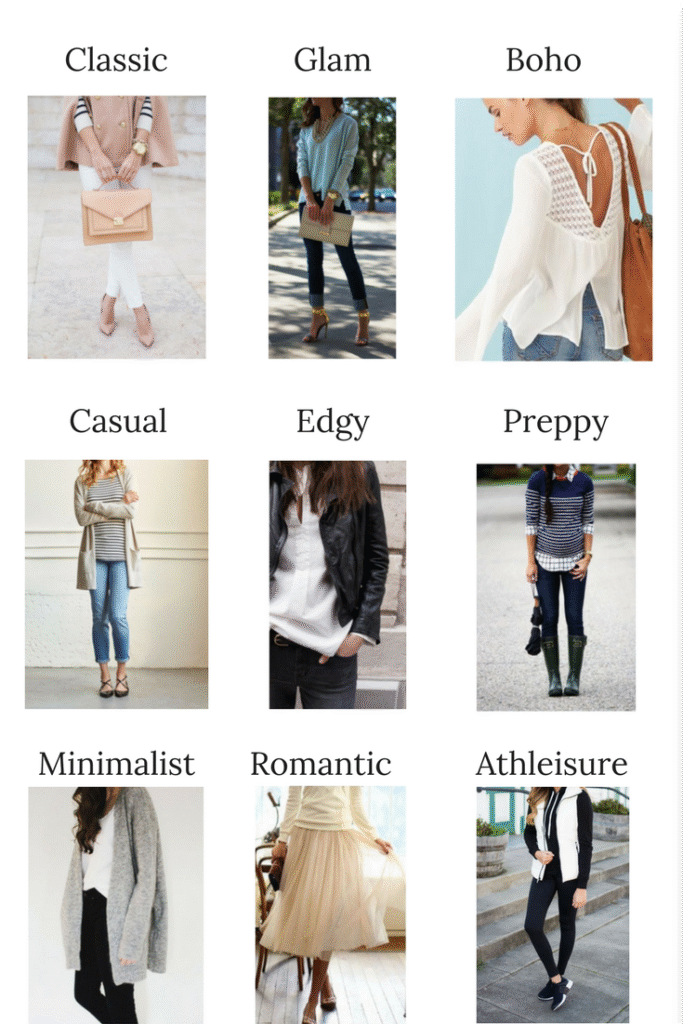

Finding your clothing style can feel like navigating a labyrinth. In a world saturated with fleeting trends and influencer marketing, it’s easy to lose sight of what truly resonates with you. Many people end up filling their closets with clothes they don’t actually wear, chasing styles that don’t quite fit their personality or lifestyle. This not only leads to wasted money but also contributes to a sense of unease and dissatisfaction with one’s appearance. The pressure to conform can be immense, but the real power lies in discovering a style that reflects your authentic self.
Why is finding your clothing style so important? Beyond the superficial, it’s about self-expression, confidence, and comfort. When you feel good in what you’re wearing, it radiates outwards. Your clothing becomes a tool for communicating your personality, values, and aspirations. A well-defined style can also streamline your shopping habits, saving you time and money by helping you focus on pieces that genuinely complement your existing wardrobe and personal aesthetic. It’s about building a collection of clothes that you love and that make you feel empowered.
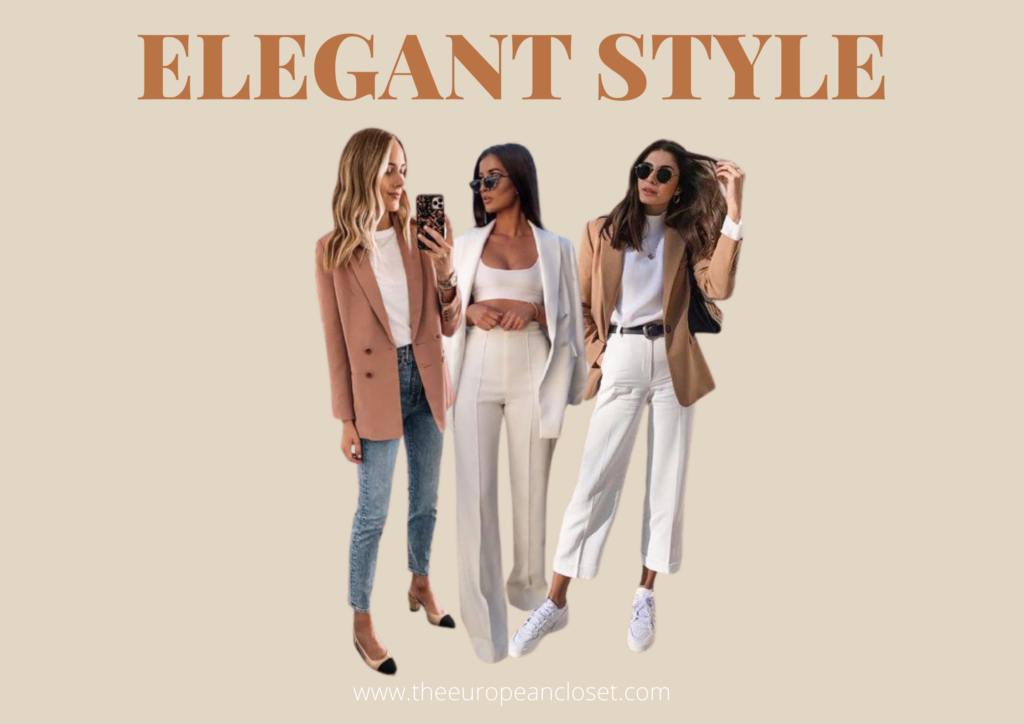
In today’s context, where individuality is increasingly valued, finding your unique style is more relevant than ever. The rise of sustainable fashion and conscious consumerism has also shifted the focus from fast fashion trends to timeless pieces and mindful purchasing. People are seeking clothes that are not only stylish but also ethical and durable. This requires a deeper understanding of one’s own style preferences and a willingness to invest in quality over quantity. Discovering your style is a journey of self-discovery, a process of experimentation and refinement that ultimately leads to a wardrobe that is both functional and fulfilling. It’s about creating a personal brand that reflects who you are and who you aspire to be.
The journey to finding your clothing style isn’t always easy. It requires introspection, experimentation, and a willingness to step outside of your comfort zone. There will be hits and misses, but each experience will bring you closer to understanding what works for you and what doesn’t. The key is to approach the process with an open mind, a sense of curiosity, and a commitment to embracing your individuality. This guide will provide you with the tools and strategies you need to navigate this journey and discover a clothing style that is uniquely yours. It’s about creating a visual language that tells your story without saying a word. Let’s embark on this sartorial adventure together.
Understanding Yourself: The Foundation of Style
Before diving into trends and aesthetics, it’s crucial to understand yourself. Your clothing style should be an extension of your personality, lifestyle, and values. Ignoring these fundamental aspects will lead to a wardrobe that feels inauthentic and unsatisfying. This section explores the key elements of self-understanding that will guide you towards finding your true style.
Identifying Your Personality
Your personality plays a significant role in shaping your style preferences. Are you introverted or extroverted? Creative or practical? Bold or understated? Consider these aspects when choosing clothes. For example, a bold and outgoing personality might be drawn to vibrant colors and statement pieces, while a more introverted individual might prefer muted tones and classic silhouettes.
- Consider your hobbies: What do you enjoy doing in your free time? Your hobbies can influence your style choices. A hiker might gravitate towards practical and durable clothing, while an artist might prefer bohemian and expressive pieces.
- Reflect on your values: What’s important to you? Are you passionate about sustainability, social justice, or animal welfare? Your clothing choices can reflect these values. Opt for ethically sourced materials, fair-trade brands, or vegan alternatives.
- Assess your comfort level: What makes you feel comfortable and confident? Comfort is key to feeling good in your clothes. Choose fabrics and styles that feel good against your skin and allow you to move freely.
Analyzing Your Lifestyle
Your lifestyle is another crucial factor in determining your clothing style. Consider your daily activities, work environment, and social engagements. Your wardrobe should be functional and practical for your everyday life. A stay-at-home parent will have different clothing needs than a corporate lawyer.
- Work environment: What’s the dress code at your workplace? Are you required to wear formal attire, business casual, or can you dress more casually? Your work wardrobe should be appropriate for your profession and workplace culture.
- Daily activities: What do you spend most of your time doing? Do you spend a lot of time outdoors, at the gym, or attending social events? Your wardrobe should be versatile enough to accommodate your various activities.
- Climate and location: Where do you live? The climate and location will significantly impact your clothing choices. Consider the weather patterns, seasonal changes, and local fashion trends.
Exploring Your Body Type
Understanding your body type is essential for choosing clothes that flatter your figure. Different styles and silhouettes will look better on different body types. There are several resources available online and in magazines that can help you determine your body type and find clothes that enhance your natural shape. It’s about working with what you have and finding clothes that make you feel confident and comfortable.
Common Body Types:
| Body Type | Characteristics | Clothing Recommendations |
|---|---|---|
| Apple (Inverted Triangle) | Broader shoulders and bust, narrower hips. | A-line skirts, empire waist dresses, and tops with V-necks. |
| Pear (Triangle) | Wider hips and thighs, narrower shoulders and bust. | A-line skirts, wide-leg pants, and tops with shoulder details. |
| Hourglass | Balanced bust and hips, defined waist. | Wrap dresses, fitted tops, and high-waisted skirts or pants. |
| Rectangle | Straight up and down, with minimal waist definition. | Structured jackets, peplum tops, and dresses with waist definition. |
It’s important to remember that these are just general guidelines. The most important thing is to choose clothes that you feel good in, regardless of what the “rules” say. Experiment with different styles and silhouettes to find what works best for you.
Inspiration and Exploration: Finding Your Aesthetic
Once you have a solid understanding of yourself, it’s time to explore different styles and aesthetics. This is where the fun begins! Gather inspiration from various sources, experiment with different looks, and discover what resonates with you. Don’t be afraid to try new things and step outside of your comfort zone. This section provides practical tips and resources for finding your aesthetic.
Gathering Inspiration
Inspiration is all around you. Look to magazines, blogs, social media, movies, and even street style for ideas. Create a mood board or Pinterest board to collect images that inspire you. Pay attention to the colors, textures, silhouettes, and overall vibe of the outfits you admire. Analyze what you like about each look and how you can incorporate those elements into your own style.
- Magazines and Blogs: Fashion magazines and blogs are excellent sources of inspiration. Look for editorials, street style features, and articles on emerging trends.
- Social Media: Platforms like Instagram and Pinterest are visual goldmines. Follow fashion influencers, designers, and brands that align with your aesthetic.
- Movies and TV Shows: Pay attention to the costumes in your favorite movies and TV shows. The characters’ wardrobes can provide valuable inspiration.
- Street Style: Observe the people around you. Street style is a great way to see how people are incorporating trends into their everyday looks.
Experimenting with Different Styles
Don’t be afraid to experiment with different styles. Try on clothes that you wouldn’t normally wear and see how they make you feel. Visit different stores and boutiques to explore a variety of brands and styles. Borrow clothes from friends or family to try out new looks without committing to a purchase. This is a process of trial and error, so be patient and have fun.
- Try-on Sessions: Dedicate an afternoon to trying on clothes at different stores. Don’t limit yourself to what you think you like. Try on things that are completely outside of your comfort zone.
- Borrowing Clothes: Borrow clothes from friends or family to experiment with new styles without spending money. This is a great way to try out trends or different silhouettes.
- Thrift Stores: Thrift stores are a treasure trove of unique and affordable clothing. You can find vintage pieces, designer items, and one-of-a-kind treasures.
Defining Your Color Palette
Your color palette is a crucial element of your personal style. Certain colors will complement your skin tone, hair color, and eye color better than others. Experiment with different colors to see what makes you look and feel your best. Consider both neutral colors and accent colors. Neutral colors form the foundation of your wardrobe, while accent colors add pops of personality and interest. Knowing your best colors can streamline your shopping and ensure that your clothes flatter you.
Understanding Color Theory:
Basic color theory can help you understand how colors work together and how to create harmonious outfits. Complementary colors are opposite each other on the color wheel (e.g., blue and orange). Analogous colors are next to each other on the color wheel (e.g., blue, blue-green, and green). Monochromatic colors are different shades of the same color (e.g., light blue, medium blue, and dark blue). Experiment with these color combinations to create visually appealing outfits.
Consider your skin undertone: Are you warm-toned or cool-toned? Warm-toned individuals look best in warm colors like gold, yellow, and orange. Cool-toned individuals look best in cool colors like silver, blue, and purple.
Identifying Key Pieces
Once you have a better understanding of your style and color palette, start identifying key pieces that will form the foundation of your wardrobe. These are versatile items that can be mixed and matched to create a variety of outfits. Examples include a well-fitting blazer, a classic white shirt, a pair of dark-wash jeans, and a little black dress. Invest in quality pieces that will last for years.
Building Your Wardrobe: Quality Over Quantity
Building a wardrobe that reflects your personal style is an ongoing process. It’s not about having a closet full of clothes, but rather a curated collection of pieces that you love and that make you feel good. Focus on quality over quantity, and invest in pieces that will last for years. This section provides practical tips for building a wardrobe that is both stylish and sustainable.
Investing in Quality Pieces
Investing in quality pieces is a smart investment in your wardrobe. High-quality clothes are made from durable materials and are constructed to last. They will also look better and feel better against your skin. While they may cost more upfront, they will ultimately save you money in the long run because you won’t have to replace them as often. Look for well-made garments with sturdy seams, durable fabrics, and classic designs.
- Fabric Matters: Choose natural fabrics like cotton, linen, silk, and wool whenever possible. These fabrics are breathable, comfortable, and durable.
- Construction Details: Pay attention to the construction details of the garment. Look for sturdy seams, reinforced buttons, and well-finished hems.
- Timeless Designs: Choose classic designs that will never go out of style. A well-fitting blazer, a classic white shirt, and a pair of dark-wash jeans are all timeless pieces that can be worn for years.
Creating a Capsule Wardrobe
A capsule wardrobe is a curated collection of essential clothing items that can be mixed and matched to create a variety of outfits. It typically consists of 20-30 pieces, including tops, bottoms, dresses, outerwear, and shoes. Building a capsule wardrobe is a great way to simplify your wardrobe, save money, and reduce clutter. It forces you to be more intentional about your clothing choices and to focus on quality over quantity.
Benefits of a Capsule Wardrobe:
- Simplified Wardrobe: A capsule wardrobe simplifies your wardrobe and makes it easier to get dressed each day.
- Reduced Clutter: A capsule wardrobe reduces clutter and creates a more organized closet.
- Money Savings: A capsule wardrobe saves you money by preventing impulse purchases and encouraging you to focus on quality over quantity.
- Sustainable Fashion: A capsule wardrobe promotes sustainable fashion by encouraging you to buy less and wear your clothes more often.
Shopping Strategically
Shopping strategically is essential for building a wardrobe that reflects your personal style and fits your budget. Avoid impulse purchases and stick to your shopping list. Shop during sales and clearance events to save money. Consider buying secondhand or vintage clothing to find unique and affordable pieces. Most importantly, only buy clothes that you love and that you know you will wear.
- Create a Shopping List: Before you go shopping, create a list of items that you need or want. This will help you stay focused and avoid impulse purchases.
- Shop During Sales: Take advantage of sales and clearance events to save money on clothing. Sign up for email newsletters from your favorite stores to be notified of upcoming sales.
- Secondhand Shopping: Consider buying secondhand or vintage clothing. You can find unique and affordable pieces at thrift stores, consignment shops, and online marketplaces.
Refining and Maintaining Your Style
Finding your clothing style is not a one-time event, but an ongoing process of refinement and maintenance. As you grow and evolve, your style will likely change as well. It’s important to stay open to new ideas and to continue experimenting with different looks. This section provides tips for refining and maintaining your style over time.
Staying Updated on Trends
While it’s important to have a personal style that is timeless and authentic, it’s also fun to stay updated on current trends. Follow fashion influencers, read fashion magazines, and browse online retailers to see what’s new. However, don’t feel pressured to adopt every trend. Choose trends that align with your personal style and that you feel comfortable wearing.
定期的にクローゼットを整理整頓する
定期的にクローゼットを整理整頓することは、服装のスタイルを維持するために不可欠です。着なくなった服や似合わなくなった服を処分しましょう。そうすることで、自分の服装のスタイルに合わない服でクローゼットが散らかるのを防ぐことができます。また、持っている服を把握しやすくなり、服装を組み立てる際に役立ちます。
Experimenting with Accessories
Accessories are a great way to add personality and interest to your outfits. Experiment with different accessories, such as scarves, jewelry, hats, and belts, to create unique and stylish looks. Accessories can also be used to update your existing wardrobe and to make your outfits feel fresh and new. A simple scarf or statement necklace can transform an entire outfit.
Summary: Key Takeaways on Finding Your Clothing Style
Finding your clothing style is a journey of self-discovery and self-expression. It’s about understanding yourself, exploring different aesthetics, and building a wardrobe that reflects your personality, lifestyle, and values. It’s not about blindly following trends, but about curating a collection of pieces that you love and that make you feel confident and comfortable. The key takeaways from this guide can be summarized as follows:
- Self-Understanding is Key: Before diving into trends, understand your personality, lifestyle, and body type.
- Gather Inspiration: Look to magazines, blogs, social media, movies, and street style for ideas. Create a mood board to collect images that inspire you.
- Experiment and Explore: Don’t be afraid to try new things and step outside of your comfort zone. Visit different stores and boutiques to explore a variety of brands and styles.
- Define Your Color Palette: Experiment with different colors to see what makes you look and feel your best. Consider both neutral colors and accent colors.
- Identify Key Pieces: Identify versatile items that can be mixed and matched to create a variety of outfits. Invest in quality pieces that will last for years.
- Build a Capsule Wardrobe: Create a curated collection of essential clothing items that can be mixed and matched.
- Shop Strategically: Avoid impulse purchases and stick to your shopping list. Shop during sales and clearance events to save money.
- Refine and Maintain: Stay updated on trends, regularly declutter your closet, and experiment with accessories to keep your style fresh and new.
Remember that finding your clothing style is an ongoing process. As you grow and evolve, your style will likely change as well. Stay open to new ideas, be patient with yourself, and have fun! The most important thing is to create a style that makes you feel good and that reflects your authentic self. Embrace your individuality and express yourself through your clothing.
By following these guidelines, you can create a wardrobe that is both stylish and functional, a wardrobe that empowers you to feel confident, comfortable, and authentically you. It’s about building a visual language that speaks volumes about who you are without saying a word. Embrace the journey and enjoy the process of discovering your unique style.
Ultimately, finding your clothing style is a personal journey. There is no right or wrong answer. The only rule is to be yourself and to wear what makes you happy. So, go forth, experiment, and discover the style that is uniquely yours. Your style is a reflection of your inner self, so let it shine!
Frequently Asked Questions (FAQs)
How long does it take to find your clothing style?
The time it takes to find your clothing style varies greatly from person to person. For some, it may be a relatively quick process, while for others, it can take months or even years. It depends on factors such as your willingness to experiment, your level of self-awareness, and the amount of time you dedicate to exploring different styles. The key is to be patient and persistent, and to enjoy the journey of self-discovery.
What if I don’t like any particular style?
It’s perfectly fine if you don’t identify with any particular style. Many people have eclectic styles that blend elements from different aesthetics. The most important thing is to create a style that feels authentic to you, even if it doesn’t fit neatly into any predefined category. Don’t feel pressured to conform to any particular style. Embrace your individuality and create a style that is uniquely yours.
How can I find my style on a budget?
Finding your style on a budget is definitely possible. Focus on shopping strategically. Take advantage of sales and clearance events. Consider buying secondhand or vintage clothing. And most importantly, invest in quality pieces that will last for years. You can also get creative with DIY projects and repurpose old clothes to create new and unique looks.
What if my style changes over time?
It’s perfectly normal for your style to change over time. As you grow and evolve, your tastes and preferences will likely change as well. Embrace these changes and allow your style to evolve with you. Don’t be afraid to experiment with new looks and to update your wardrobe as needed. Your style should be a reflection of who you are at any given point in time.
How important are accessories in defining my style?
Accessories play a significant role in defining your style. They can add personality, interest, and polish to your outfits. Experiment with different accessories, such as scarves, jewelry, hats, and belts, to create unique and stylish looks. Accessories can also be used to update your existing wardrobe and to make your outfits feel fresh and new. A simple scarf or statement necklace can transform an entire outfit.